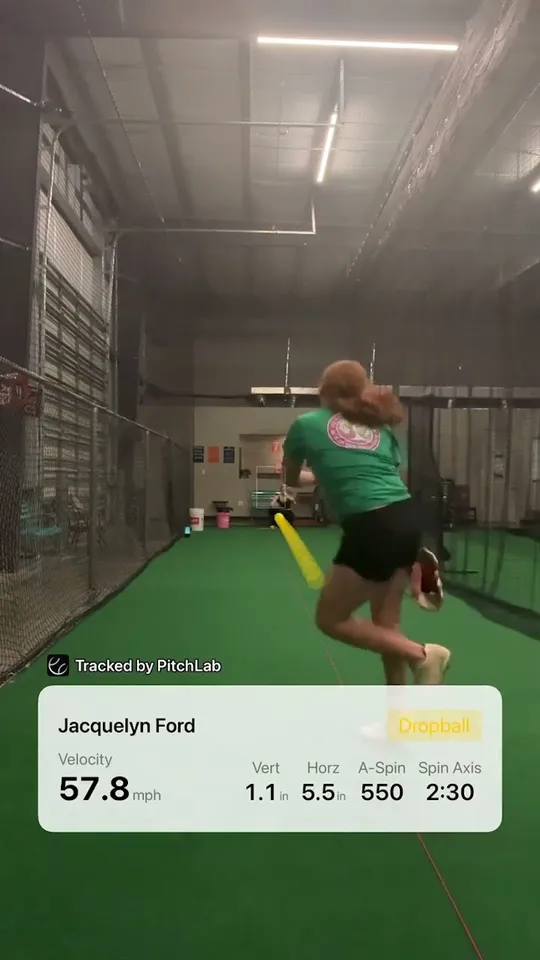
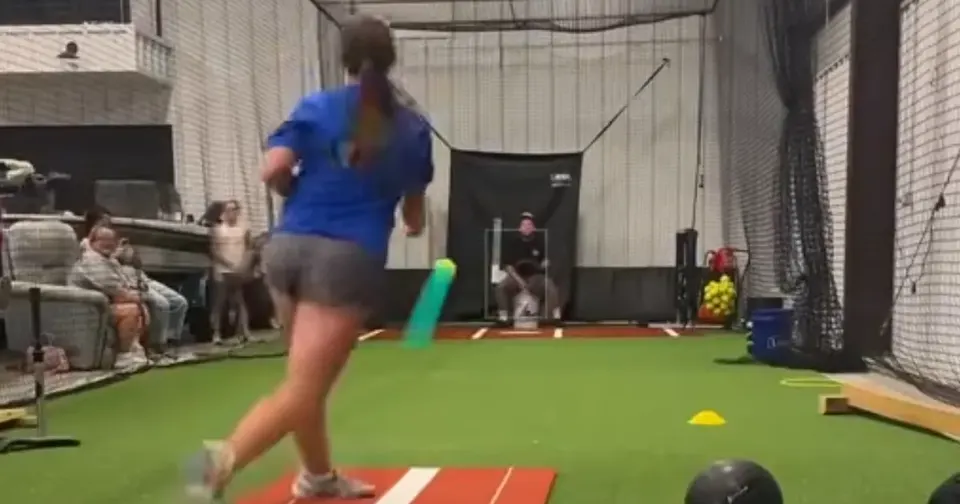
Pitch design
Experiment with grips and releases to see how they change your spin, velocity, and movement.

 PitchLab 4.7 · 200,000+ downloads
Pro-grade softball pitching metrics
Velocity, movement, and location on every rise ball, drop, curve, and changeup, from an iPhone on a tripod. From the backyard to the college circle.
On Android? Join the waitlist
Looking for hitting? Join the waitlist
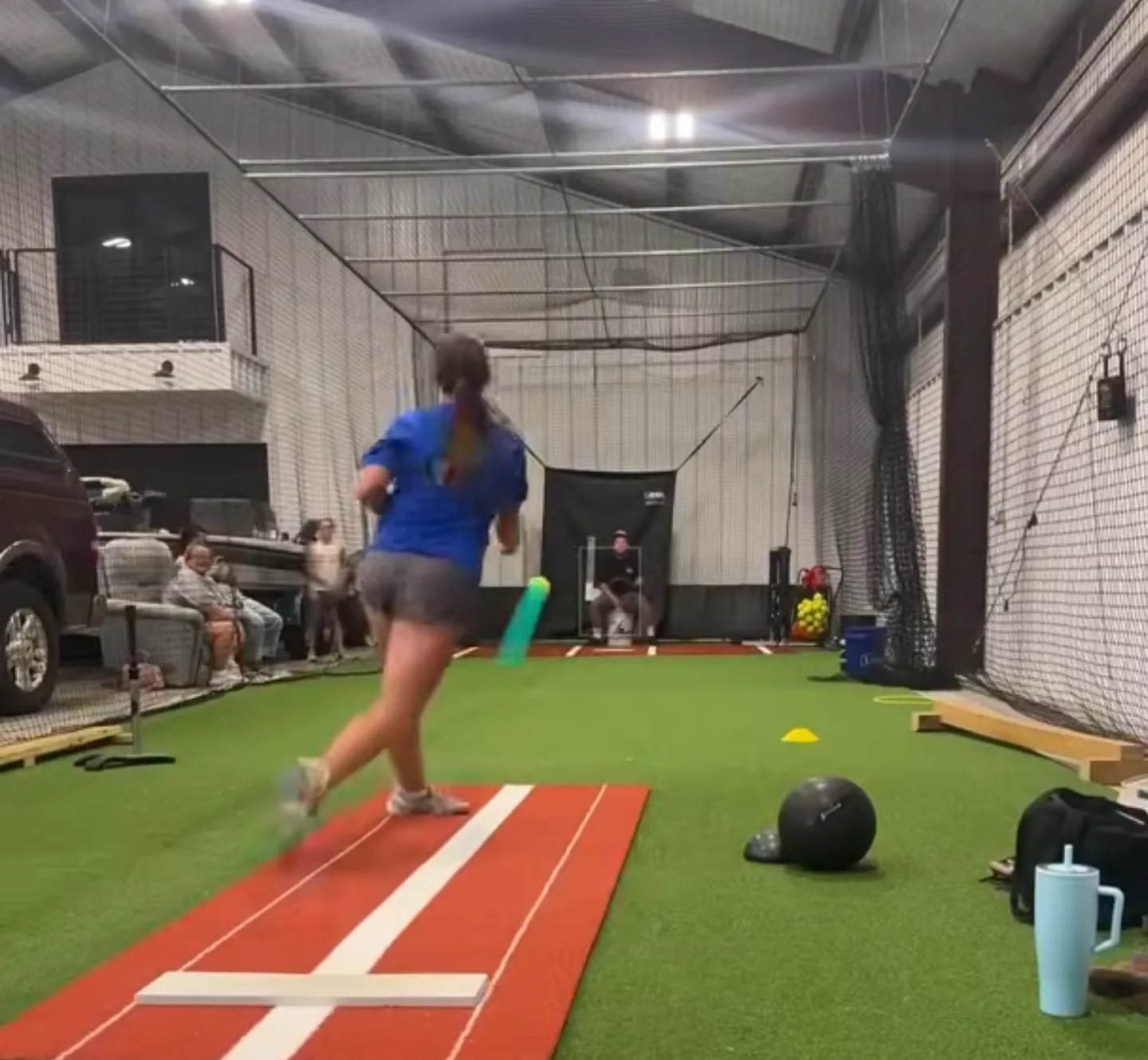
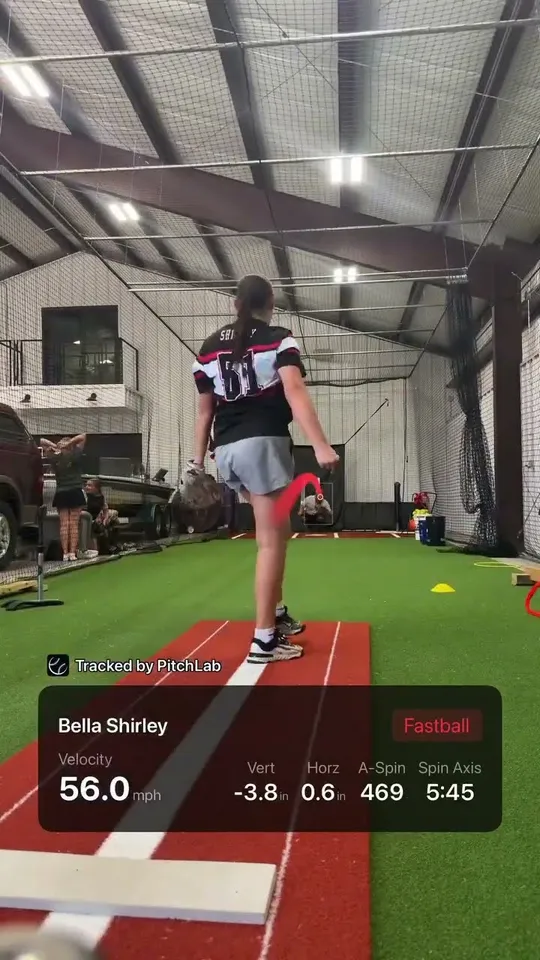
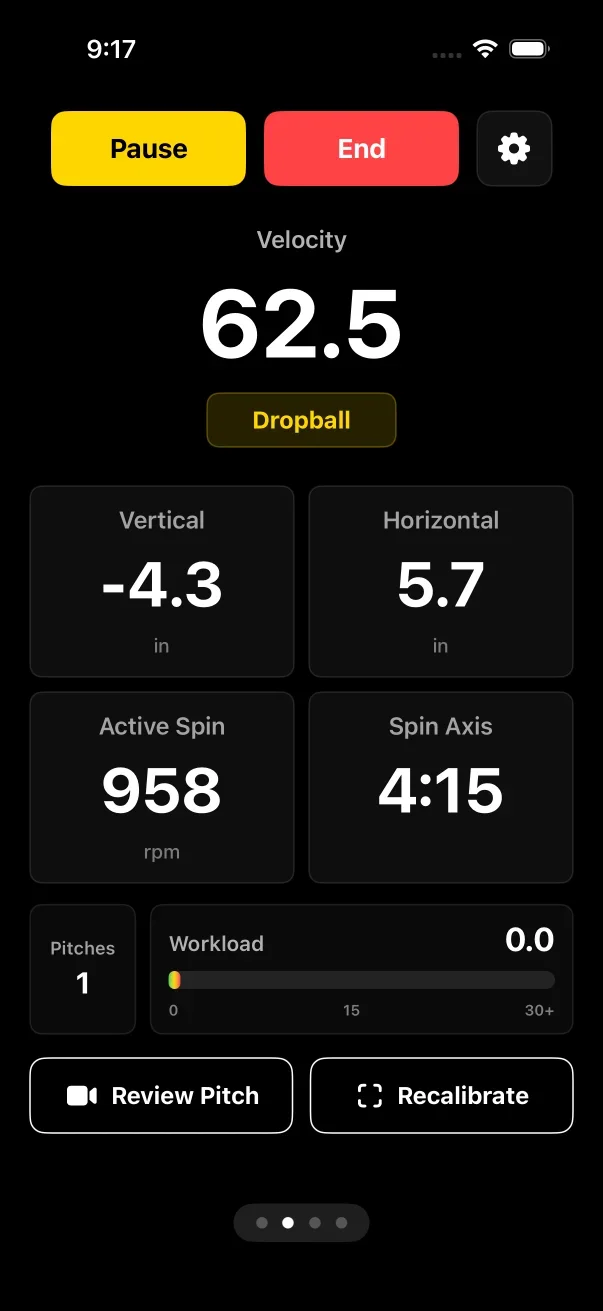
See velocity, spin, movement, ball flight, and more in real time. Get your results before the next pitch.
Movement profile • Pitch type averages
Pitch type • Workload
With PitchLab, you can improve every pitch in your arsenal, from the rise ball to the changeup.
Experiment with grips and releases to see how they change your spin, velocity, and movement.
Log every throw, watch your velocity trend climb across sessions, and see whether your training is working.
See where every pitch crossed the plate and how often you hit your location.
See the speed gap between your fastball and changeup, pitch after pitch.
Choose Softball when you start a session and pick the distance you’re throwing from, so every measurement is right for your level.
Private lessons, travel softball, high school, or college. See every pitch on video with the stats built in, for every pitcher you coach.
Every pitching session saves on its own. Watch velocity climb, movement sharpen, and command tighten over weeks and seasons.
Yes. PitchLab is an iPhone app that tracks softball pitches with the camera. Set your phone on a tripod behind the pitcher, choose Softball, and every pitch is saved on video with its velocity, movement, and location.
Yes. PitchLab measures the speed of every softball pitch from an iPhone 12 or newer on a tripod behind the pitcher. You don’t need a radar gun, and voice feedback can call out each speed so you never have to look at the phone.
PitchLab does what a radar gun does from your iPhone, and more. Along with the speed of every pitch, it measures movement and location and saves each pitch on video. It uses the phone’s camera, so there’s no extra hardware to buy.
Yes. Choose softball when you set up a session, and PitchLab tracks velocity, movement, and location from the circle at softball distances like 40 and 43 feet.
Velocity, vertical and horizontal movement, and location for every pitch, with video. That shows how much your rise ball rises, how much your drop drops, and how far your curve breaks.
Yes. PitchLab measures the vertical and horizontal movement of every pitch, so you can see how much your rise ball rises, how much your drop drops, and how far your curve and screwball break. Track it session by session to see it improve.
Yes. PitchLab works at 40 feet for 12U and at 43 feet for 14U, high school, and college. All it needs is an iPhone 12 or newer and a tripod, so it fits lessons, travel ball practices, and the backyard.
Dedicated tracking units cost thousands of dollars, and some need a paid yearly membership to run. PitchLab is free to start on an iPhone you may already have. Pro is $24.99 a month or $149.99 a year.
Yes. Coaches see every pitcher’s videos and metrics in one place and can give feedback remotely. The Team plan adds unlimited pitcher profiles and 100 GB of storage for teams and facilities. Contact us to set it up.
An iPhone 12 or newer, a tripod that reaches about 3 feet, and a softball. Throw to a catcher, a net, or a target. You don’t need a radar gun, sensors, a smart ball, or any installation.
On a tripod about 2 feet behind the pitcher and about 3 feet high, facing home plate. Keep the pitcher and home plate in frame, in good light, and line it up so the pitcher releases the ball inside the white guide box on the screen.
Yes, to start. PitchLab is free to download. Pro unlocks unlimited throws, 4K video, and cloud storage for $24.99 a month or $149.99 a year.
High school softball pitchers commonly throw about 50 to 60 mph, and Division I college pitchers are usually put at around 60 to 65 mph. The fastest college pitchers have topped 75 mph. Softball pitchers throw from 43 ft at high school and above, much closer than baseball’s 60 ft 6 in, so a 65 mph softball pitch gives a hitter roughly the reaction time of a low-90s baseball fastball.
A rise ball wants positive vertical break: the more it holds up against gravity, the more it rises. There’s no published standard for softball yet, so the most useful comparison is your own rise ball over time, at similar speeds. Spin direction matters most, since high spin alone does not guarantee rise.
Yes. It is measured the same way. Curveballs and drop-curves break glove side, and screwballs break arm side. Softball pitches generally move less sideways than baseball breaking balls, and softball data is less standardized, so compare pitchers at similar speeds and levels.
There’s no single published benchmark for softball strike percentage. The common checks are strikes thrown out of total pitches and walks per seven innings, and fewer walks is better at every level. Track your own numbers session by session, and compare with pitchers at your level.
There is no standard softball Stuff+. The models behind Stuff+ need huge amounts of tracked game data, and softball has no public dataset like MLB's. Softball pitchers get more from comparing velocity, spin, movement, and location with benchmarks for each pitch type.
Get started
Forever free
Download freeFor dedicated pitchers
per month, billed monthly
per month, billed annually
$149.99/year
Built for families
per month, billed monthly
per month, billed annually
$179.99/year
Coaches, teams, and facilities
Tailored to your needs
Contact salesEvery plan includes video export, auto-tagging, the ball tracer, and auto-trimmed video.
Download PitchLab free and bring real pitch data to every session.